
.svg)

Restaurant Forecasting: How to Predict Demand
Boost restaurant efficiency and profitability with demand forecasting. Learn how historical data, seasonality, and AI-driven tools like MarketMan help reduce waste, optimize labor, and make smarter purchasing decisions.
Running a restaurant is part art and part science, but forecasting demand is where the two meet. Predicting how much food to order, when to schedule staff, and how to allocate prep hours can make the difference between a profitable week and a costly one.
Margins remain under pressure and volatility is the norm. The restaurants thriving are those that forecast better, not just faster. Accurate forecasting connects historical sales, seasonality, and restaurant AI tools to create precision across inventory, purchasing, and labor.
That’s where restaurant forecasting tools like MarketMan become essential. By combining automated purchasing, inventory analytics, and sales trend data, MarketMan enables operators to move from reaction to prediction, turning data into decisions that protect margins and reduce waste.
Plantilla de presupuesto de restaurante
Obtenga una visión clara de las finanzas de su restaurante con esta plantilla gratuita de hoja de presupuesto para restaurantes. Lleve un registro de todos los gastos de su restaurante y gestione su presupuesto de forma eficiente.

What Is Restaurant Demand Forecasting?
Restaurant demand forecasting is the process of predicting future sales and customer demand using data from POS systems, historical sales records, and external factors such as events or seasonality.
At its core, restaurant forecasting helps operators answer two critical questions:
- How much should I prepare?
- When should I prepare it?
Why Accurate Forecasting Is Critical
Every inaccurate prediction has a ripple effect. Overstocking leads to food waste and spoilage; understocking leads to missed sales and unhappy guests.
According to the Deloitte 2025 Foodservice Analytics Report, restaurants that implement predictive forecasting frameworks reduce waste by up to 20% and improve cost predictability by 15% year-over-year.
That means smarter forecasting isn’t just about efficiency, it’s about transforming chaos into consistency.
When forecasting becomes part of your restaurant’s rhythm, it builds confidence across the board: managers plan better, staff work smarter, and profit margins stop depending on luck.
Forecasting Methods That Drive Restaurant Efficiency
Restaurant forecasting isn’t one-size-fits-all. It draws on several data sources, from your own historical sales to modern AI algorithms that update predictions in real time.
Here’s how the best operators combine these methods to balance inventory, labor, and purchasing decisions.
Historical Sales Data
The foundation of any reliable restaurant demand forecasting system is your own data. Past sales are the most accurate predictor of future trends, especially when viewed through the lens of patterns and context.
What to track:
- Daily and weekly sales volume
- Menu item frequency
- Ticket averages and time of day
- Promotions and holidays
- Local events and weather
Historical forecasting means identifying trends like the steady rise in takeout sales since 2023 or the 15% dip in dine-in traffic on rainy Mondays—and translating them into actionable plans.
For example, if your POS data shows that salmon entrées spike every Friday, your MarketMan Inventory Management Software will the historical usage to inform par levels and suggested future orders.
This ensures you’re not just looking backward, but that you’re using past patterns to shape tomorrow’s efficiency.
Seasonal Demand Patterns
Restaurant demand naturally fluctuates with the calendar. Holidays, summer breaks, sports seasons, and local festivals can dramatically change guest behavior.
Accurate forecasting takes seasonality into account, allowing operators to plan inventory and labor well in advance.
Examples of seasonal forecasting in action:
- A seaside café increases beverage and ice inventory before Memorial Day.
- A ski lodge scales up soup ingredients and prep staff for winter holidays.
- A catering company adjusts menus based on wedding season peaks.
MarketMan simplifies forecasting by using predictive analytics to power its AI Ordering feature and by integrating seamlessly with third-party forecasting tools. Within MarketMan’s reporting and analytics dashboards, operators can track sales and purchasing trends across multiple time periods, compare performance week-over-week or year-over-year, and plan smarter for upcoming events, all ensuring orders are precisely aligned with real demand.This balance is what defines restaurant efficiency, less waste, more precision.
The Tangible Benefits of Restaurant Forecasting
Forecasting is more than a back-office exercise. When done well, it becomes the heartbeat of every operational decision, directly influencing food cost, staffing, and guest satisfaction.
1. Reducing Food Waste and Spoilage
Food waste remains one of the largest hidden expenses in the hospitality industry. The ReFED 2025 Food Waste Benchmark Report estimates that U.S. restaurants lose over $25 billion annually from wasted food that could have been prevented through better forecasting and purchasing.
Restaurant forecasting minimizes this loss by predicting exactly how much to prep, order, and store.
With MarketMan’s Inventory and Waste-Tracking Features, operators can tag and analyze waste reasons (over-prep, spoilage, or returns), then cross-reference them with forecast accuracy to pinpoint areas for improvement.
The outcome: smarter purchasing, cleaner operations, and measurable waste reduction.
2. Improving Purchasing Accuracy
Forecasting doesn’t just help plan meals, it optimizes purchasing.
By forecasting demand, operators know precisely when and how much to order from suppliers. This prevents both overstocking and costly emergency orders that eat into profit.
MarketMan’s Purchasing and Receiving Orders Solutions sync with forecasting data to automatically suggest purchase orders based on expected sales.
This automation improves supplier relationships too. When vendors receive consistent, predictable orders, they offer better pricing and reliability.
In turn, restaurants gain more control over COGS and reduce procurement friction, a key to long-term profitability.
3. Optimizing Labor and Inventory Planning
Accurate demand forecasting ensures your labor costs match your actual traffic.
If you expect 20% fewer guests next Tuesday due to local events, your system can suggest staffing reductions automatically. Conversely, during a festival week, forecasts alert managers to schedule additional cooks and servers.
While MarketMan focuses on the inventory and purchasing side, its integrations with scheduling software like Push Operations and POS systems allow unified planning across departments.
This means that labor, purchasing, and inventory all move in sync, maximizing operational harmony and minimizing unnecessary costs.
4. Enhancing Restaurant Efficiency and Profitability
The ultimate goal of forecasting is restaurant efficiency the ability to make decisions quickly, accurately, and profitably.
Forecasting drives efficiency by:
- Linking POS sales and cost data for better decisions.
- Preventing last-minute rush orders or shortages.
- Giving managers real-time visibility into margins.
When forecasts align with purchasing, prep, and labor, restaurants achieve predictability—and predictability drives profit.
According to Deloitte’s 2025 Foodservice Analytics Report, operators that use integrated forecasting solutions outperform competitors by up to 18% in annual profitability growth.
Tools That Support Restaurant Forecasting
Forecasting can only be as strong as the tools that power it. MarketMan’s ecosystem connects every operational layer, from suppliers to POS, to give restaurants real-time control over both forecasting and execution.
POS Data Integrations
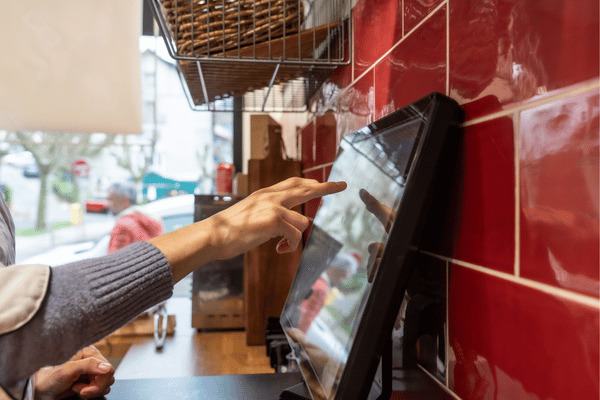
POS systems are the starting point for any effective forecasting strategy. Every transaction becomes a data point that informs your future decisions.
By integrating your POS with MarketMan, sales trends automatically feed into your inventory and purchasing dashboards.
This creates a single source of truth, no more manual exports or mismatched spreadsheets. Forecasts become dynamic, updating as soon as your customers make a purchase.
You can explore MarketMan’s Partners and Integrations to see which POS and accounting platforms align with your current tech stack.
MarketMan Forecasting Features
MarketMan transforms raw data into reliable action.
Its forecasting functionality pulls from sales, vendor, and inventory data to automatically calculate purchasing recommendations, helping operators predict needs and maintain ideal stock levels.
When combined with AI-powered recipe costing and supplier pricing, this creates an ecosystem that stays ahead of changing demand.
Automated Reporting and Analytics
Forecasting without measurement is just guessing. MarketMan’s Restaurant Management Software includes automated analytics, highlighting both wins and opportunities.
Operators can view repots, compare COGS per location, or view menu profitability, turning data into ongoing improvement.
From Guesswork to Growth
Restaurant forecasting isn’t about predicting the future, it’s about preparing for it.
By combining historical data, seasonal patterns, and AI in restaurants, operators can plan smarter, reduce waste, and gain control over their margins.
With MarketMan’s forecasting and inventory management tools, restaurants replace uncertainty with insight. Every order, prep list, and purchase becomes intentional, driven by data, not instinct.
Book your demo today to see how MarketMan helps you forecast smarter, operate leaner, and turn every data point into profit.
Frequently Asked Questions (FAQ)
1. What is restaurant demand forecasting?
Restaurant demand forecasting is the practice of using sales data, seasonality, and AI to predict how much inventory and labor you’ll need. It helps restaurants balance stock levels, staffing, and purchasing to maintain profitability.
2. How does restaurant forecasting reduce waste?
By aligning purchasing with predicted demand, forecasting tools like MarketMan minimize over-ordering and spoilage. Real-time inventory tracking ensures operators buy exactly what they’ll use—no more, no less.
3. How does AI improve restaurant forecasting?
AI analyzes trends faster than manual methods. It considers variables like weather, online orders, and ingredient price shifts to update forecasts in real time, giving restaurants agility and confidence in every decision.
Colaboradores
Únete a más de 18 000 restaurantes y recibe los mejores consejos gastronómicos en tu bandeja de entrada.
También te puede interesar
¿Listo para empezar?
Hable hoy mismo con un experto en restaurantes y descubra cómo MarketMan puede ayudar a su negocio