
.svg)
6 estrategias probadas para que los restaurantes controlen los costes de los alimentos en 2025
Descubra estrategias probadas para controlar los costes alimentarios en restaurantes. Descubra cómo las herramientas de inventario, pedidos y menús basadas en inteligencia artificial de MarketMan ayudan a los operadores a reducir el desperdicio, recortar costes y aumentar la rentabilidad.
La realidad de los costes de los alimentos en los restaurantes
Los costes de los alimentos son una de las variables más impredecibles en la gestión de un restaurante. Algunos pequeños errores, como pedir demasiados productos antes de una semana tranquila, preparar más proteínas de las que se pueden vender o servir raciones un poco demasiado generosas, pueden suponer pérdidas importantes. Lo que en un momento dado pueden parecer errores menores, pueden acumularse hasta alcanzar miles de dólares en productos desperdiciados a lo largo de un año.
El desperdicio de alimentos no es solo una molestia, sino un grave problema para el control de los costes alimentarios. Según ReFED, los restaurantes estadounidenses generan 11,4 millones de toneladas de residuos alimentarios cada año, lo que supone unas pérdidas anuales de 25 000 millones de dólares. A escala mundial, la Organización de las Naciones Unidas para la Alimentación y la Agricultura (FAO) estima que un tercio de todos los alimentos producidos no se consumen.
Para los operadores que trabajan con márgenes muy ajustados, el desperdicio de alimentos tiene un impacto directo en la rentabilidad. Pero también afecta a la moral del personal, la percepción de los clientes y los esfuerzos de sostenibilidad.
¿La buena noticia? El desperdicio de alimentos en los restaurantes se puede minimizar. Al combinar estrategias prácticas con soluciones modernas para el control de costes alimentarios en restaurantes, los operadores pueden reducir el desperdicio, disminuir los costes y crear negocios más sostenibles. Y con MarketMan, en el que confían más de 15 000 restaurantes en todo el mundo, estas soluciones son más fáciles de implementar que nunca.


Proof First: Real Restaurants, Real Results
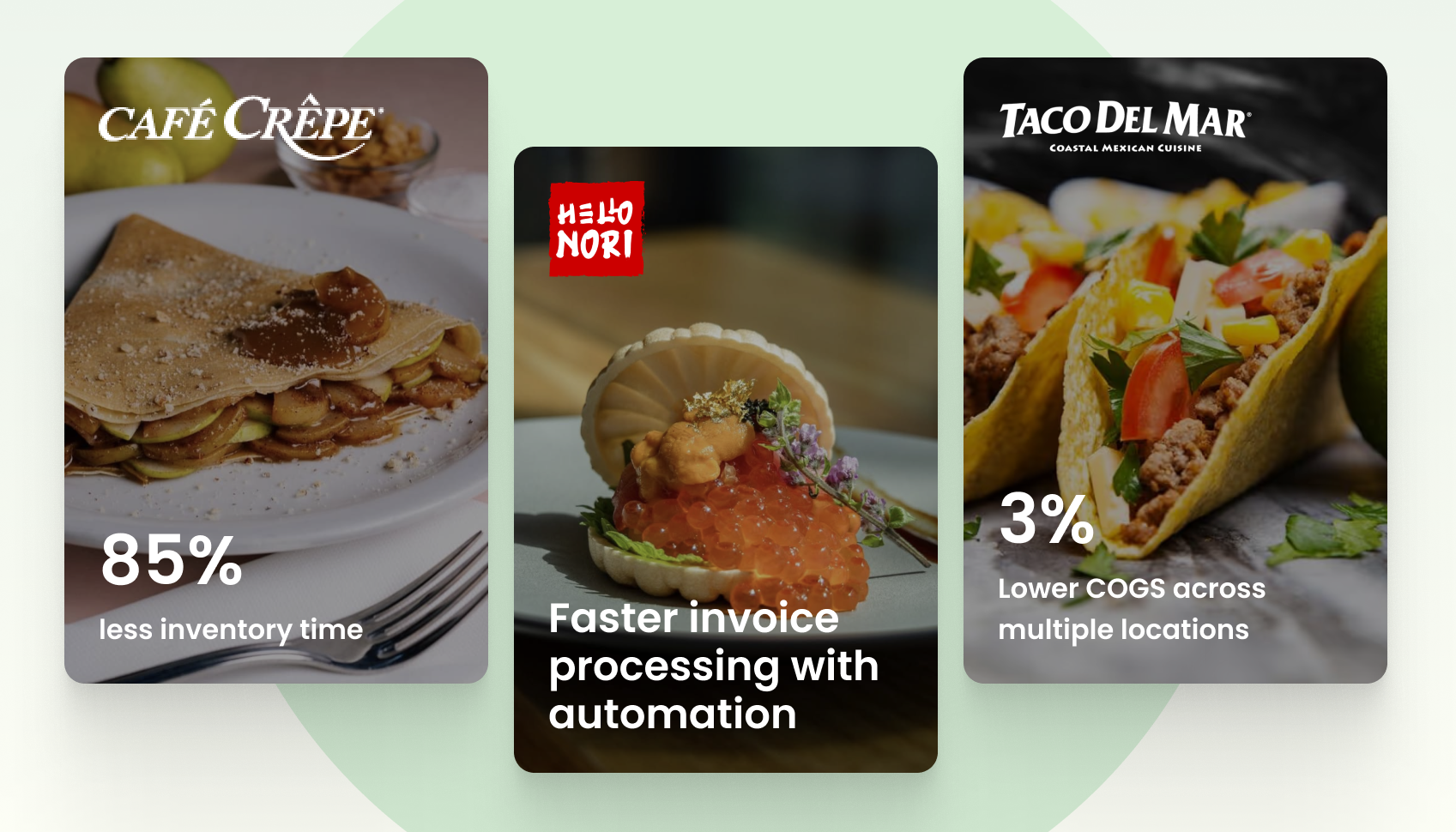
MarketMan is more than software. It’s a platform proven to deliver measurable results:
- Cafe Crepe: 85% reduction in inventory time.
- Taco Del Mar: 3% lower COGS.
- Bakery Lorraine: Decreased COGS from about 30% before using MarketMan.
- ATFC Ltd.: 80% less time on inventory.
- Ashley Mac’s: 60% reduction in counting time.
These stories highlight what operators gain with MarketMan: clarity, consistency, and control.
The True Cost of Poor Food Cost Control
Food waste affects more than the trash bins. Its costs ripple through every part of a restaurant:
Financial costs
Industry studies show that 4–10% of food purchased by restaurants never reaches a customer’s plate. This leakage highlights the importance of strong food cost control practices. For a restaurant spending $40,000 a month on food, that could mean $1,600–$4,000 wasted monthly. For multi-unit groups, the losses multiply quickly.
Operational inefficiencies
Waste throws off inventory counts, causes reordering headaches, and forces staff to spend hours reconciling discrepancies. Managers often feel like they’re constantly reacting instead of planning.
Reputation and sustainability
Guests increasingly care about sustainability. According to the National Restaurant Association, younger diners, in particular, are drawn to restaurants that reduce waste and operate responsibly. Waste doesn’t just hurt margins; it can also hurt brand perception.
Environmental impact
The FAO reports that if global food waste were a country, it would be the third-largest emitter of greenhouse gases after the U.S. and China. Reducing waste helps restaurants contribute to broader climate goals while strengthening their businesses.
Why Food Costs Spiral Out of Control
When operators take a closer look, the causes of food waste are clear:
- Over-ordering: Managers buy more than needed to avoid running out.
- Forecasting errors: Seasonal swings or unexpected events throw demand off.
- Inconsistent portions: Different cooks plate different amounts, driving up costs and guest inconsistency.
- Storage and spoilage issues: Without FIFO (First In, First Out), older stock spoils behind newer deliveries.
- Training gaps: New staff over-prep or make mistakes without realizing the cost.
- Low-selling menu items: Specialty ingredients for slow-moving dishes spoil before they’re used.
These challenges are universal, but they’re also solvable. With the right food cost control systems, operators can turn these problems into measurable savings.
6 Proven Food Cost Control Solutions
Every operator faces food waste challenges, but the right systems make them manageable. Here are six approaches that consistently deliver results, along with how MarketMan makes them easier to put into practice.
1. Get Control of Inventory
If you’re still using spreadsheets or clipboards, it’s no surprise that items slip through the cracks. One week you’re out of onions mid-service, the next you’re tossing spoiled mushrooms.
With MarketMan’s inventory management software, inventory stops being a chore. A quick count on the mobile app gives you real-time accuracy, and AI-powered ordering forecasts demand. Because MarketMan connects directly with your POS, you can finally trust that sales and usage match up.
The result? Fewer surprises, less spoilage, and more confidence when you place your next order.
2. Keep Portions Consistent
In a busy kitchen, it’s the little things that add up: a few extra slices of pepperoni on a pizza, a heavy ladle of soup, or an oversized scoop of mashed potatoes. Those small over-pours quietly inflate food costs across hundreds of plates a day. MarketMan standardizes recipes so every portion is measured, costed, and repeatable, no matter who’s working the line. Recipes automatically update when supplier prices change, helping chefs maintain precision, protect margins, and keep every plate consistent from prep to pass.
MarketMan helps standardize recipes so every plate comes out the same, no matter who’s on the line. Portions are tied to real costs, and recipes update automatically when supplier prices change. That way, you’re protecting both guest experience and your margins.
Learn more about recipe costing and menu profitability.
3. Order Smarter, Negotiate Better
Many operators over-order “just in case,” leading to waste and inflated food costs. At the same time, supplier price increases often slip through unnoticed until it’s too late. MarketMan helps you stay one step ahead by combining real-time ingredient price tracking with AI invoice scanning that flags changes right after delivery. Smart ordering tools then suggest ideal quantities based on sales patterns and inventory levels. Over time, you can monitor vendor performance to identify your most reliable, cost-effective partners.
The result: less waste, stronger vendor relationships, and more predictable margins.
4. Make Waste a Team Effort
A new prep cook might dice twice as many tomatoes as needed, or a misfire at the pass ends up in the trash. Without tracking, no one learns from those mistakes.
MarketMan makes waste visible in a way that feels constructive, not disciplinary. Staff can log what’s discarded and why, and managers can see the patterns in reports. Dashboards make it clear what waste costs in real dollars, helping teams feel ownership in fixing it.
When waste reduction becomes everyone’s responsibility, the positive results add up quickly.
5. Design Menus That Work Harder
Some dishes sell every night. Others sit on the menu, dragging down profits and wasting ingredients.
With MarketMan, you don’t have to guess which is which. Menu engineering reports highlight which dishes drive profit and which ones generate waste. Ingredient-level insights help you make smarter decisions about what to feature and what to retire.
The outcome is a leaner menu that makes the most of every ingredient and has fewer products spoiling in the walk-in.
6. Put AI and Automation to Work
Waste often shows up after it’s too late to prevent it. A better approach is staying ahead of the problem.
MarketMan uses AI ordering to anticipate demand so you buy the right amount at the right time. Alerts prevent overstocking or running out, and AI invoice scanning saves more than 100 hours of bookkeeping every month.
Instead of reacting to yesterday’s mistakes, you’re proactively steering tomorrow’s operations. This shift is at the heart of smarter food cost control.
ROI Snapshot: The Bigger Picture
MarketMan customers consistently report:
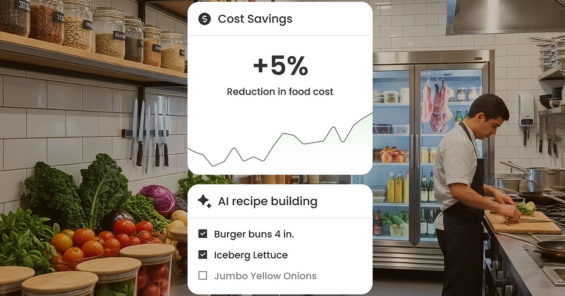
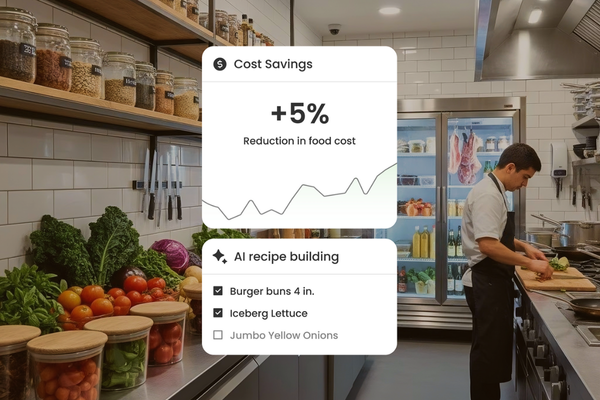
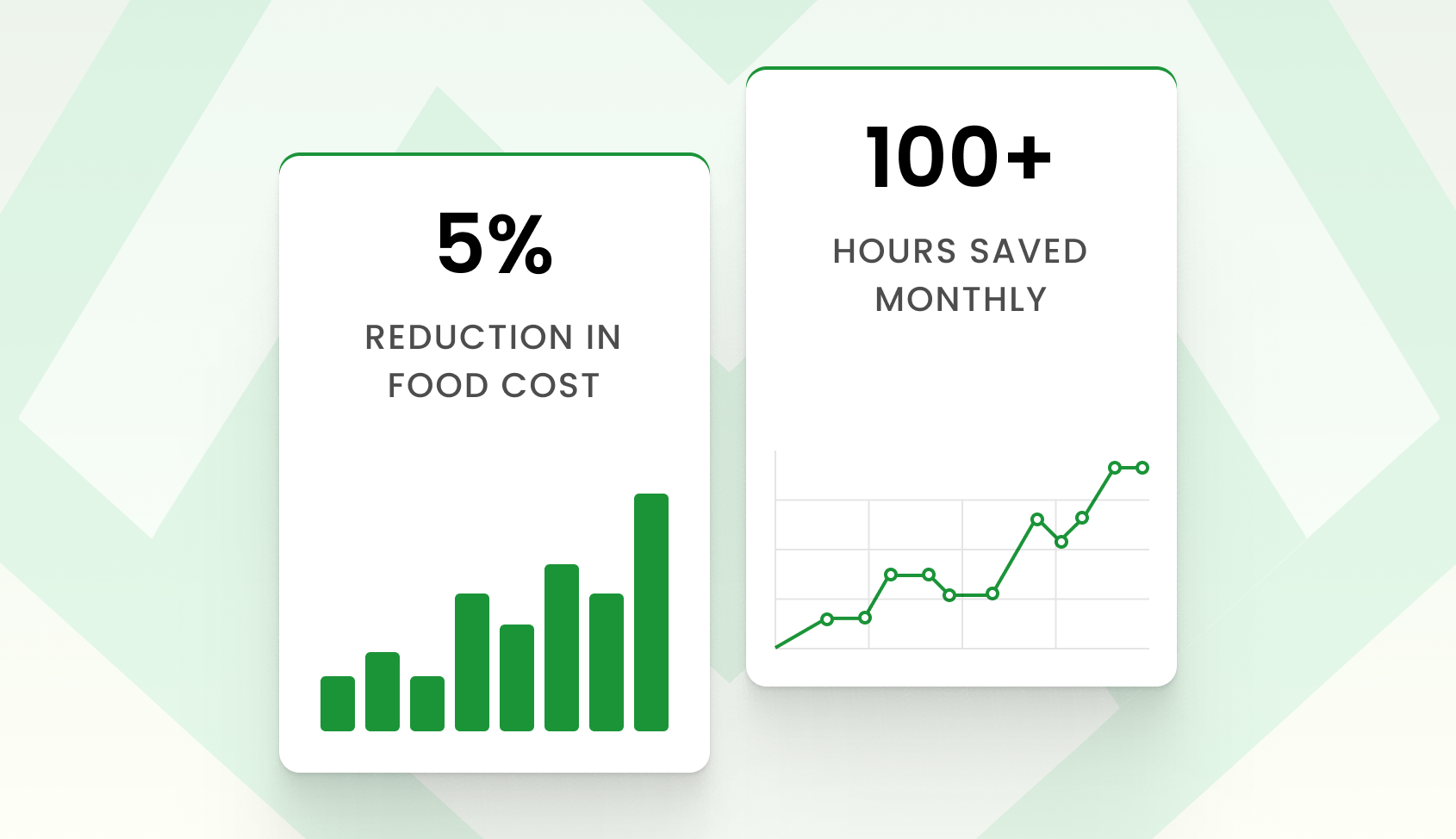
- 5% reduction in food costs and more than 100 hours saved monthly in bookkeeping and admin tasks.
These results aren’t abstract; they’re measurable outcomes and proof that effective food cost control directly impacts the bottom line.
A Future With Better Food Cost Control
Imagine a restaurant where waste is predictable and manageable, not a daily headache. Inventory is accurate. Portions are consistent. Vendors are partners, not stress points. Staff feel empowered, guests notice quality, and costs are under control.
That’s what smarter restaurant food cost control delivers. And it’s the future MarketMan is helping operators create every day.
Smarter Foodservice Decisions, Powered by Trust
Reducing food waste is about more than sustainability. It’s about protecting margins, building resilient operations, and leading with responsibility.
MarketMan isn’t just another software tool. It’s a trusted partner that gives operators:
- Clarity: Real-time visibility into inventory and waste
- Control: Automation and AI tools to simplify complexity
- Confidence: A solution trusted by more than 15,000 restaurants worldwide
Ready to see it for yourself? Book a demo today and discover how smarter restaurant food cost control can help your restaurant business save money, reduce waste, and grow with confidence.
FAQ: Food Cost Control in Restaurants
How do restaurants reduce food waste?
Restaurants reduce food waste through better inventory management, portion control, menu engineering, supplier negotiations, and staff training. Tools like MarketMan streamline these processes with AI-driven ordering, waste logging, and recipe costing.
What is the biggest cause of food waste in restaurants?
The main causes are over-ordering, forecasting errors, portion inconsistencies, and poor storage practices. MarketMan helps solve these by providing real-time data and AI ordering.
How much money can a restaurant save by reducing food waste?
Industry averages suggest restaurants can save 2–6% of food costs by addressing waste. MarketMan customers report a 5% reduction in food costs.
Colaboradores
Únete a más de 18 000 restaurantes y recibe los mejores consejos gastronómicos en tu bandeja de entrada.
También te puede interesar

¿Listo para empezar?
Hable hoy mismo con un experto en restaurantes y descubra cómo MarketMan puede ayudar a su negocio